2.png)
Hello everyone, I’m Marco, from Italy. Three years ago, I opened my own small craft beer pub in a seaside town back home.
Like many brewers, I had a dream: to use quality ingredients and the most careful craftsmanship to brew beer that would put a smile on people’s faces. But on the road to achieving that dream, the first thing I encountered was a hard lesson about “choices.”
Lesson One: The Trap Behind the Price Tag
When you’re starting a business, a tight budget is a problem every entrepreneur faces. When I needed to purchase my first batch of fermentation tanks, I was drawn in by those “high cost-performance” quotes online. The prices from several suppliers varied wildly. One of them was particularly enthusiastic, repeatedly telling me, “Our equipment is no different from the expensive ones, but the price is much cheaper. It’s all stainless steel; the difference isn’t as mystical as they make it out to be.”
For a young man full of passion but lacking experience, this was an irresistible argument. I placed the order, full of excitement, waiting for the equipment to arrive at the port.
However, the nightmare began the day the equipment was installed.
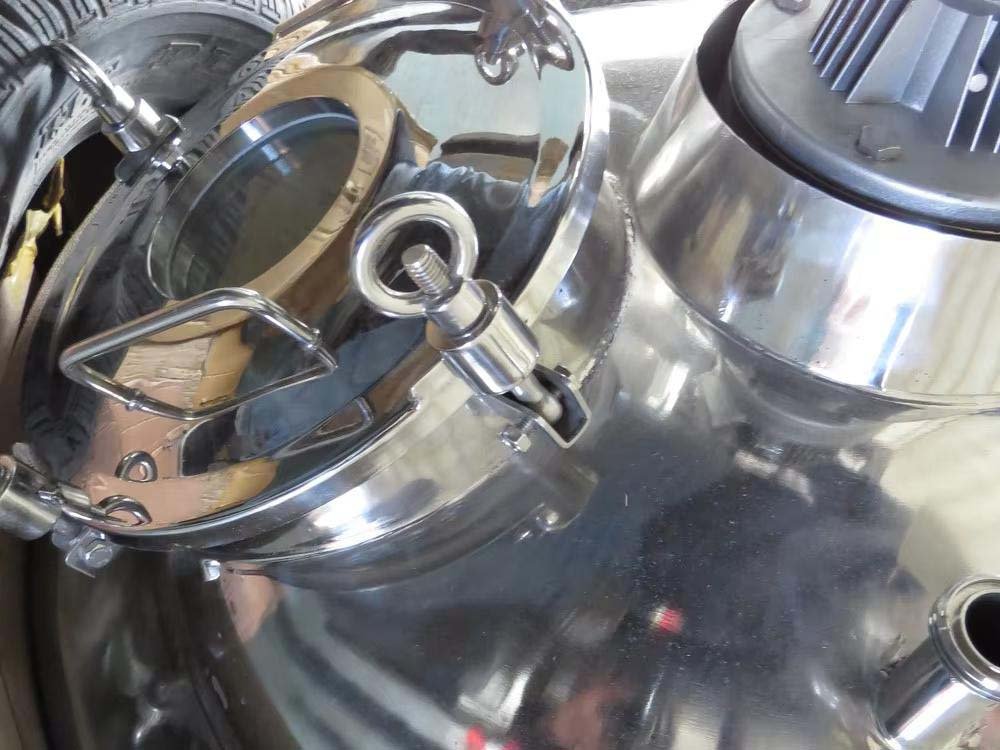
First, I noticed some stains on the tank surfaces that were hard to clean. After a few weeks of use, rust spots actually appeared around the weld seams! I invited a local, seasoned veteran to take a look, and he identified the problem immediately: “Marco, you’ve been cheated. This is likely low-quality 201 stainless steel, not food-grade 304. Using it for brewing, metal ions can leach into the beer, affecting the flavor, and in the long run, there are hygiene risks.”
My heart sank. But the problems didn’t stop there. My electricity bills were shockingly high. I thought it was because of rising energy prices in Europe, but I later discovered the equipment was to blame – the insulation was practically non-existent, and the chiller ran constantly. Every kilowatt-hour of electricity was eating away at my meager profits.
The most devastating moment came when a faulty valve seal caused a meticulously brewed batch of IPA to become oxidized, completely ruining its flavor. Pouring out that entire tank of beer, I crouched by the back door of my pub, almost in tears. Customers started to dwindle. Some said, “Marco, your beer doesn’t taste as amazing as it used to.” My dream was being dragged down by these seemingly insignificant details.
Lesson Two: Find the Right People, Do the Right Thing
Just when I was at my most frustrated, a friend I met at a beer exhibition recommended a Chinese equipment manufacturer. He said, “Marco, don’t just look at the price. Go and see their stuff, and you’ll understand what true ‘value for money’ really means.”
To be honest, after my initial failure, I had become very wary. But I decided to have an in-depth video call with them anyway.
That conversation completely changed my view of “Made in China.”
They weren’t in a hurry to give me a quote. Instead, they turned their camera towards the workshop floor and let me closely observe the tanks being welded. The sales manager held up a material sample and said to me, “Marco, look, this is the 304 stainless steel we use. The thickness is right here. We have mill certificates for every batch of material. We dare to let you see every detail because we are confident in our quality.”
They also explained their insulation technology, energy efficiency design, and why they insisted on using internationally renowned brands for valves and fittings. “These components might seem like small things,” they said, “but they determine whether your daily brewing is a pleasure or a misery. We don’t want you to ruin a whole batch of your hard work because of a faulty valve.”
At that moment, I felt they weren’t just selling me equipment; they were understanding my dream. They gave me the feeling of a partner fighting alongside me, not just a supplier.
The equipment traveled across the ocean to Italy, and they provided full technical support throughout the process, patiently guiding me through every step: installation, commissioning, and test brewing. When I brewed my first batch with their equipment, that familiar, pure flavor returned – even more stable and cleaner than before.
Me Now: Business Back on Track, Dream Stronger Than Ever
Now, my little brewpub is bustling with its old energy again. My regular customers say, “Marco, this is the taste we missed!”
With stable, energy-efficient equipment, my operating costs have dropped significantly. I finally have the energy to develop new recipes and even participate in local craft beer competitions.
I am incredibly grateful to that Chinese manufacturer. They made me understand a fundamental truth: In the business world, price is temporary, but value is enduring. You’re not just choosing a set of cold steel tanks; you’re choosing a partner who will influence your business and passion for years to come. They need a reasonable profit to continue R&D and improve quality, and what I get in return is consistent beer, reduced losses, and a better reputation. It’s a true “win-win.”
So, if you are also looking for equipment for your bar or restaurant, as someone who has been there, let me give you a sincere piece of advice:
Don’t let “price” be your only guide. Ask more, look more, compare more. If possible, visit the factory or have an in-depth video call with them. See what materials they use, hear how they think about energy consumption, and feel whether they truly care about your success.
You could even do what I did – send some of your malt and hops over, and have them do a test brew with their equipment. Let your tongue be the judge, don’t just rely on promises you hear.
This is the most responsible way to treat your own dream.
If you have any questions, or just want to talk about your brewing plans, feel free to reach out to my Chinese friends. I believe they will listen to your needs just as carefully as they listened to mine.
-300x83.png)