2.png)
Hi everyone, I’m Mike from Denver, Colorado. Two years ago, I was just a craft beer enthusiast, tinkering with small batches at home. Today, I own a well-known craft beer pub in downtown Denver, with a steady stream of regulars and newcomers stopping by every week.
A lot of people ask me: “Mike, is opening a craft beer bar actually profitable? How much do you really need to invest in equipment?”
To be honest, before I decided to open my own place, I asked myself those same questions countless times. Today, I want to share my journey—especially how choosing the right equipment made all the difference in making the numbers work.
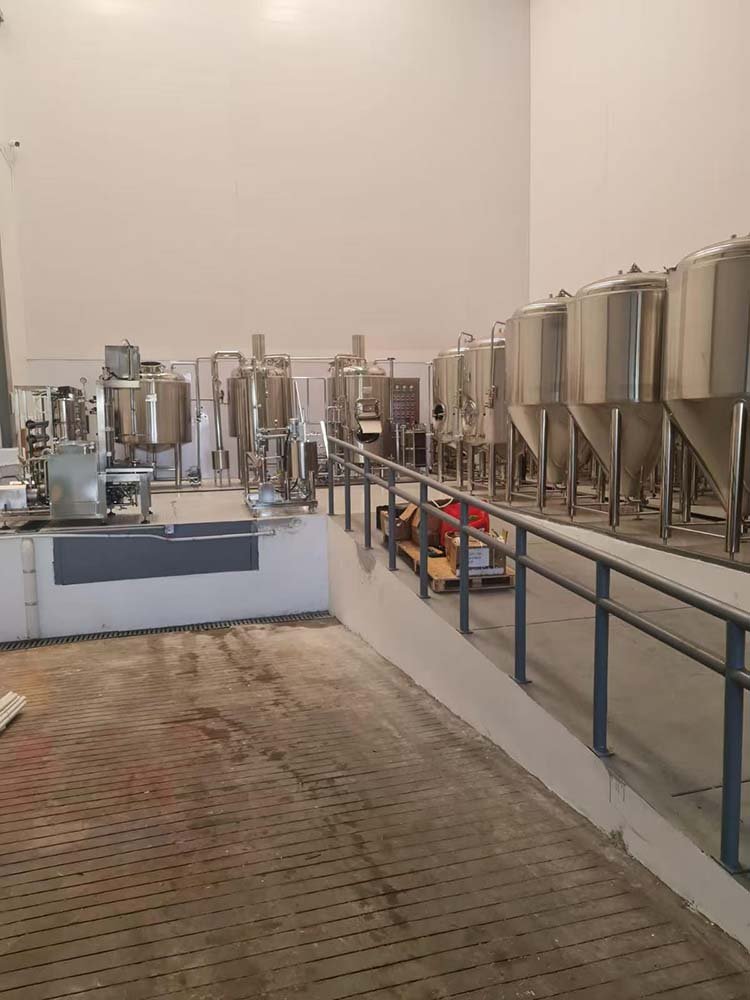
Step One: Equipment Investment – It’s Not an Expense, It’s an Investment
Before opening, I did a ton of research. Quotes from American manufacturers were shockingly high, and European options weren’t much cheaper. Then, a friend who runs a bar recommended a Chinese equipment supplier.
“Their prices will surprise you,” my friend said. “But more importantly, it’s their professionalism and reliability that set them apart.”
I reached out to them with an open mind but cautious expectations. Based on my needs—around 3,000 liters per month—they designed a very reasonable setup for me: six 200-liter fermentation tanks paired with a well-matched brewing system.
One thing they said has always stuck with me: “Mike, we don’t want you to spend a dime more than you have to. More equipment isn’t always better. It needs to match your customer flow and brewing rhythm. The right setup ensures every dollar you invest delivers value.”
In the end, my total equipment investment was around $15,000 USD. Compared to Western brands, this was already an incredible value. But what I didn’t realize then was that this investment would turn out to be the smartest business decision I ever made.
Step Two: Operating Costs – Good Equipment Actually Saves You Money
A lot of people think that once you buy the equipment, the hard part is over. But the real story is told in your day-to-day operating costs.
My equipment comes from Shandong—the birthplace of China’s brewing equipment industry. That region is packed with people who truly understand beer, supported by a supply chain that’s incredibly well-developed. From installation to ongoing maintenance, their support has never wavered.
One time, I mishandled a valve and caused a minor issue. At 2 AM, I messaged them, not expecting a reply until morning. To my surprise, they responded immediately, walked me through the troubleshooting step-by-step via video call, and fixed it in minutes. Later, I learned that their factory is surrounded by a complete supply chain for spare parts. Any small component that fails can be replaced instantly—no downtime waiting for shipments.
Then there’s energy consumption. They kept emphasizing how their insulation and cooling system design minimized electricity usage. I was skeptical at first—until I got my first month’s utility bill. It was nearly a third lower than what my friend pays at his bar with a different brand. Good equipment really does save you money, month after month.
Step Three: Flavor – The Real Foundation of Your Business
At the end of the day, what keeps customers coming back? It’s the beer.
My equipment supplier didn’t just provide hardware; they shared real brewing knowledge. They explained that malt, hops, and yeast are the soul of craft beer—and that good equipment’s job is to faithfully preserve that soul.
They told me something simple but profound: “Our equipment isn’t designed just to help you brew more beer. It’s designed to help you brew better beer.” I didn’t fully appreciate that until I started using it.
Because the tanks seal perfectly and temperature control is precise, every batch I brew is remarkably consistent. My IPA bursts with citrusy hop notes, my Hefeweizen is smooth and refreshing. My regulars say, “Mike, your beer—once you taste it, you never forget it.”
That’s real customer loyalty.
Step Four: The Profit Question – My Actual Numbers
Let me break down the real math:
- Equipment investment: $15,000 USD
- Monthly output: 3,000 liters (up to 4,000 during peak seasons)
- Gross profit per liter: Approximately $8 USD (varies by style)
- Monthly gross profit: Around $24,000 USD
- After subtracting ingredients, rent, labor, and utilities (and my energy-efficient equipment saves me a lot)—net profit: Consistently over $12,000 USD per month
In other words, my equipment paid for itself in under two months. Everything since then has been pure profit.
Even better: because my equipment is reliable, I spend almost no time on maintenance. I can focus entirely on developing new recipes, chatting with customers, and building my brand on social media. When your equipment doesn’t act up, your business runs smoothly.
Final Thoughts: Choosing the Right Partner Matters More Than Choosing the Right Tank
Looking back, what I’m most grateful for isn’t just the equipment itself—it’s the company behind it.
They’re based in the heartland of China’s brewing equipment industry, surrounded by a mature supply chain. That means their technology is deeply rooted, and their after-sales support is rock-solid. Their employees are honest and down-to-earth—they never pushed me to buy unnecessary extras. Instead, they genuinely helped me save money and brew better beer. Their value doesn’t come from cutting corners; it comes from an efficient supply chain and smart management, passing real savings on to customers like me.
If you’re thinking about opening your own brewpub, here’s my advice:
Don’t just stare at price tags. Don’t just believe the marketing. Take the time to talk to them. See how they work. Get a feel for whether they truly understand your needs. Better yet, do what I did—send them some of your malt samples and have them brew a test batch on their equipment.
-300x83.png)