.png)
Crushing malt is the first step in brewing craft beer. The quality of the malt crush has a significant impact on subsequent operations and the quality of the final beer. Today, we will discuss in detail the key points and effects of malt crushing.
First, we need to understand the purpose of malt crushing. Crushing malt is meant to split the husk longitudinally, exposing the endosperm inside the grain. Through this crushing process, the endosperm is broken up so that all its parts can undergo enzymatic catalytic decomposition, allowing for the separation of the husk from the spent grain.
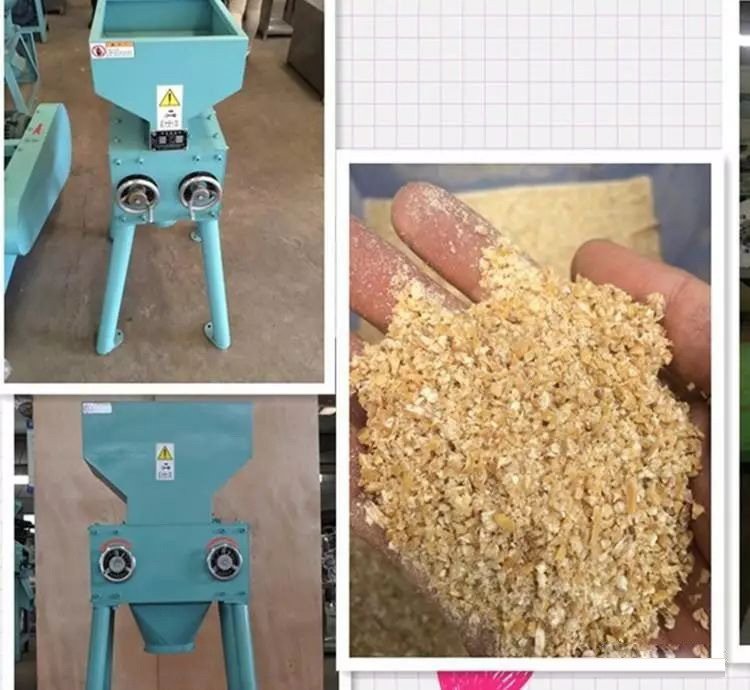
To achieve this goal, we need to crush the malt according to the requirement of “breaking the interior without breaking the husk”!
The reason for requiring the husk not to be broken is that we use the husk as a filter medium during wort filtration. If the husk is crushed too finely, it will reduce the permeability of the spent grain bed, making filtration difficult (there are many other factors affecting filtration; please refer to previous articles for details). This can lead to excessively long filtration times, allowing too many harmful substances, such as bitter compounds from the husk, to enter the wort, resulting in darker beer color and poorer taste.
“Breaking the interior” means that the endosperm part should be crushed relatively finely. If it is too coarse, it will hinder adequate contact between the starch in the endosperm and the enzymes, affecting the utilization of the malt’s effective components and reducing the wort extraction rate.
Below are the component ratios of the malt crush:
Husks: 15%, Coarse Grits: 20%, Fine Grits: 30%, Flour: 35%
-300x83.png)